
We’re Bringing Justice-Centered Storytelling to TUBI
For decades, the mainstream true crime genre and prison narratives have profited from stories about incarceration while too often excluding the people who have lived it. We’re part of the change.
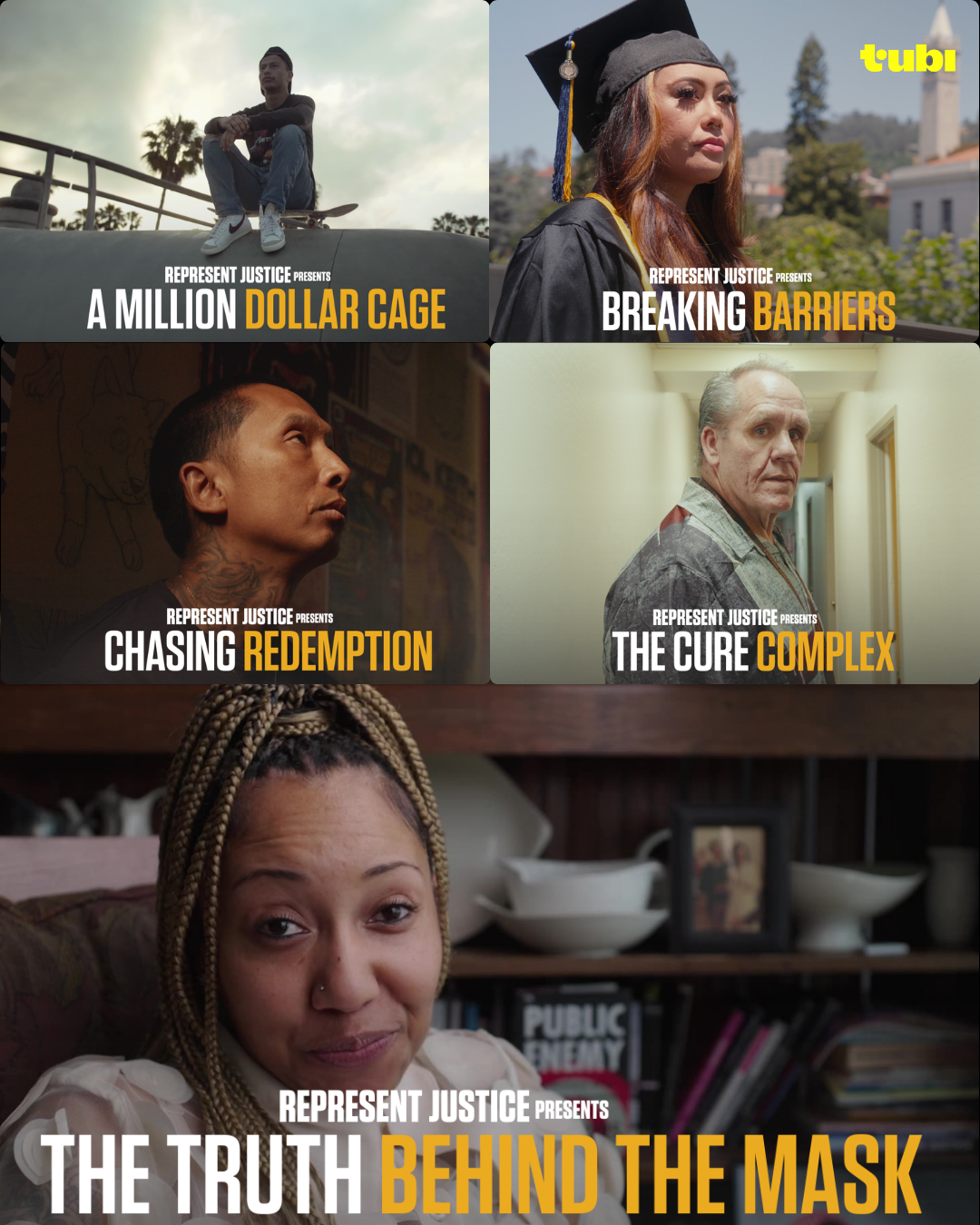
Represent Justice, in partnership with Genius in the Hood and TribecaOne, has secured distribution for five Ambassador films on the number one free, ad-supported streaming service in the country, Tubi.
All five films were produced by formerly incarcerated leaders trained through our Ambassador Program. The program equips system-impacted leaders with the creative and technical skills needed to produce films and lead impact campaigns to advocate against mass incarceration and advance change within the legal justice system.
Many popular shows and films about the legal justice system have long taken an extractive approach, often produced by industry filmmakers and producers rather than by those directly impacted by the system. The Represent Justice collection, however, features storytelling led by authentic voices and centers lived experiences that confront the realities of systemic injustice and its harmful ripple effects from perspectives rarely elevated at scale.
Los Angeles County has the largest juvenile justice system in the country, and for too long, Black and brown youth in Los Angeles have been shuttled into a system that looks to cages over care. Represent Justice Ambassador Kent Mendoza was one of those young people, and now works to make sure our kids won’t face a similar fate. A Million Dollar Cage, produced by Kent, follows his journey as he fights to transform L.A. County’s youth justice system and create alternatives to incarceration. Watch on Tubi here.

Breaking Barriers follows a group of system-impacted students at Cal-Berkeley who face significant challenges as formerly incarcerated and system-impacted individuals pursuing higher education.
Incarcerated and formerly incarcerated individuals face significant barriers to education, including limited access to educational programs, lack of resources, and the stigma associated with a criminal record. These obstacles often prevent them from obtaining valuable skills or credentials, hindering their ability to successfully reintegrate into society and find stable employment upon release.
The film also highlights the importance of policy change to dismantle systemic barriers and support education for the formerly incarcerated. Watch on Tubi here.

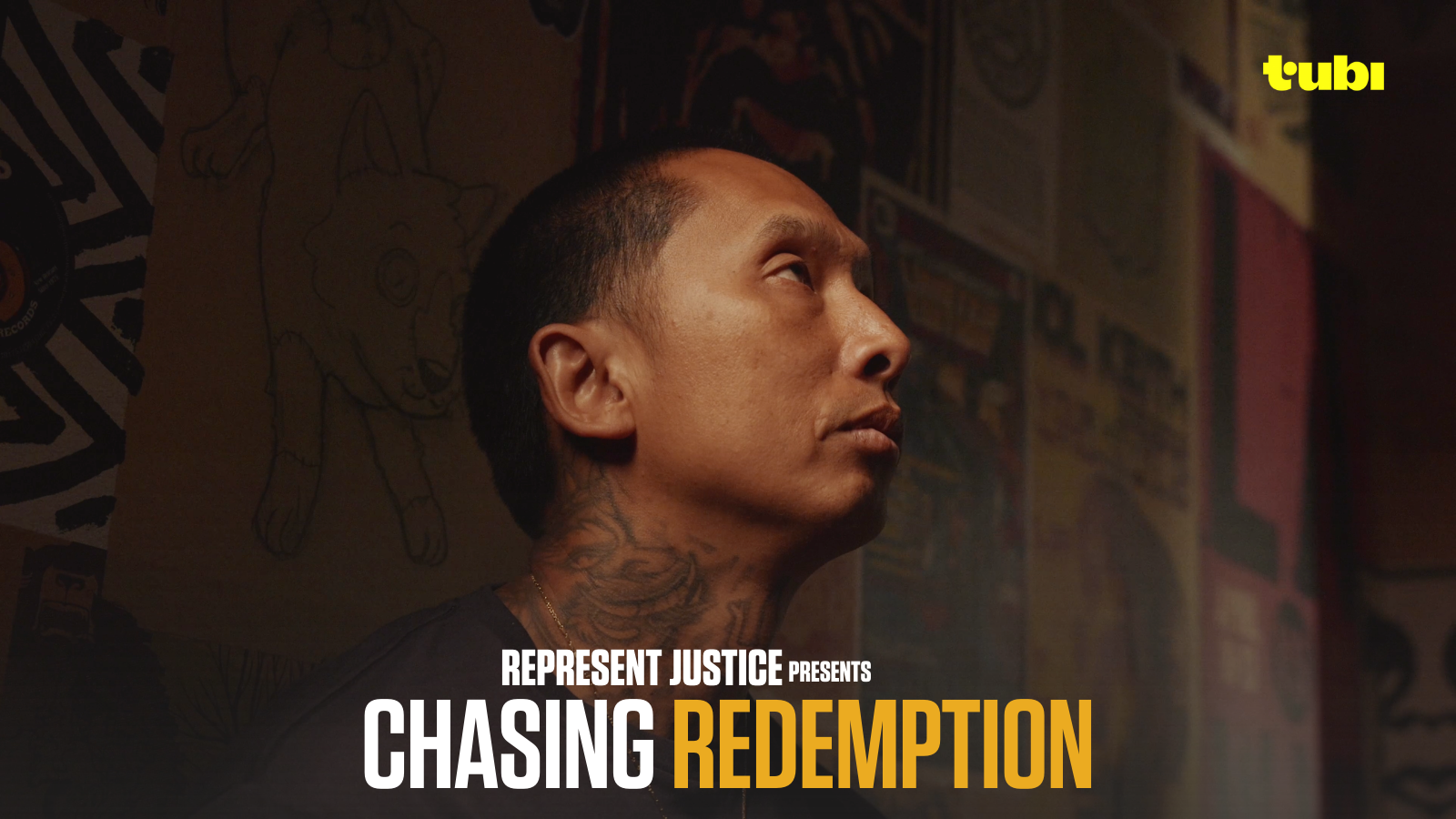
Dara and Tommy change their life trajectories after their Life Without Parole (LWOP) sentences are commuted. This is a story about the lifelong road towards redemption. Watch on Tubi here.
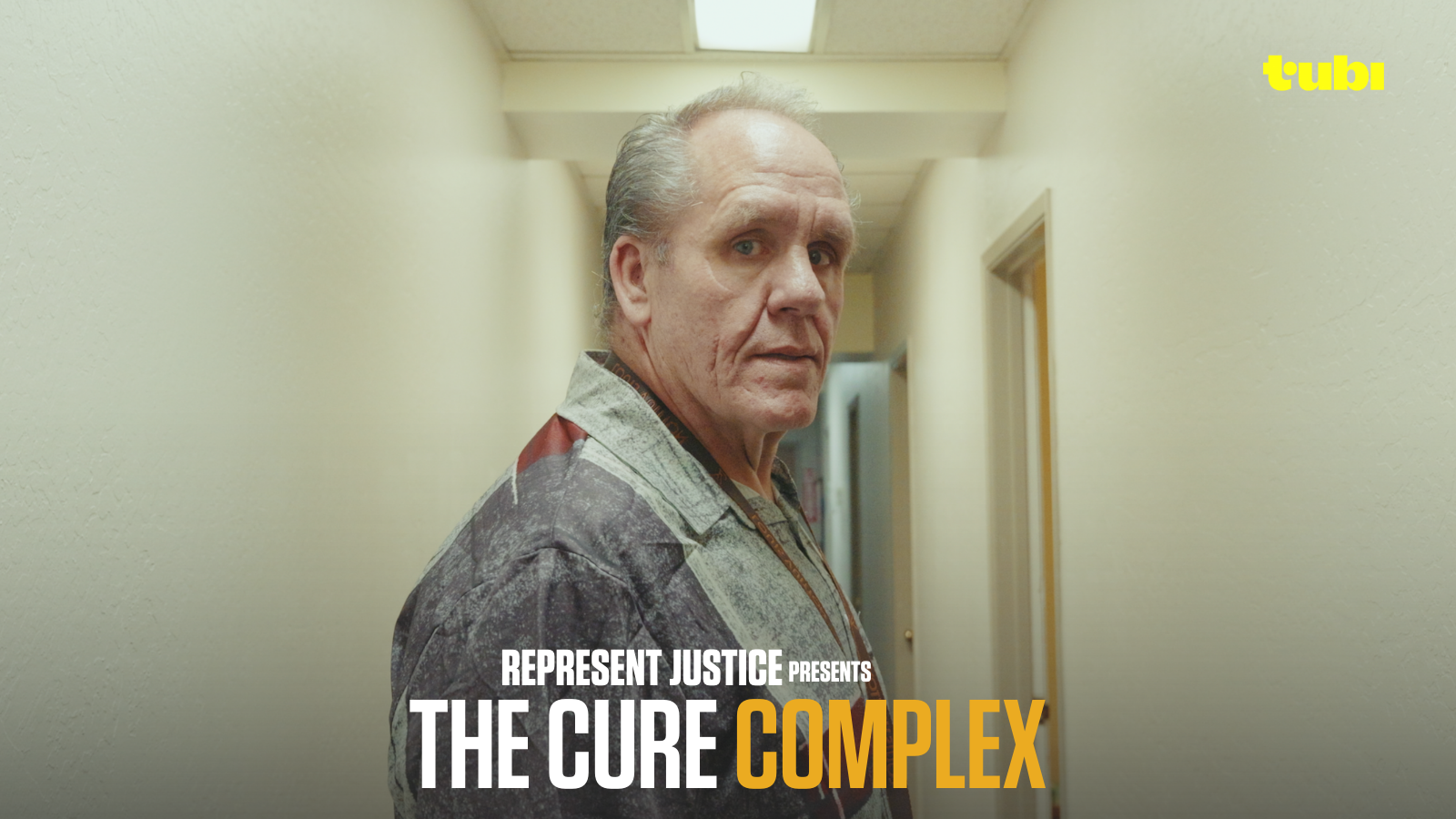
The Cure Complex uncovers the systemic failures that perpetuate Substance Use Disorder (SUD) through ineffective "evidence-based" practices and exposes how these systems, driven by Big Pharma, trap individuals in cycles of dependency through fear and control instead of empowering them to rebuild their lives.
The film uplifts alternatives rooted in personal transformation, calling for a shift away from a one-size-fits-all approach. It highlights the importance of addressing the root causes of substance use—such as trauma, poverty, and isolation—while championing models that prioritize healing, dignity, and genuine self-worth.
By investing in people, not just prescriptions, we can build more humane and effective pathways to healing. Watch on Tubi here.
The Truth Behind a Mask unpacks the significant challenges people experience when reentering society after prison. Every day tasks that are often taken for granted become obstacles, ranging from securing employment and stable housing to navigating paperwork, shopping at the grocery store, or using household technology.
The film challenges audiences to remove judgment, embrace empathy, and genuinely show up for people in reentry. It underscores the need for reentry planning to begin at least 90 days before release, alongside investments in peer-led mentorship programs, digital literacy training, ID restoration, and access to technology. Watch on Tubi here.