

Uncarcerated
By Leigh Scott

Too many people experiencing grief, trauma, addiction, homelessness, or mental health crises are pulled deeper into the criminal legal system instead of connected to care.
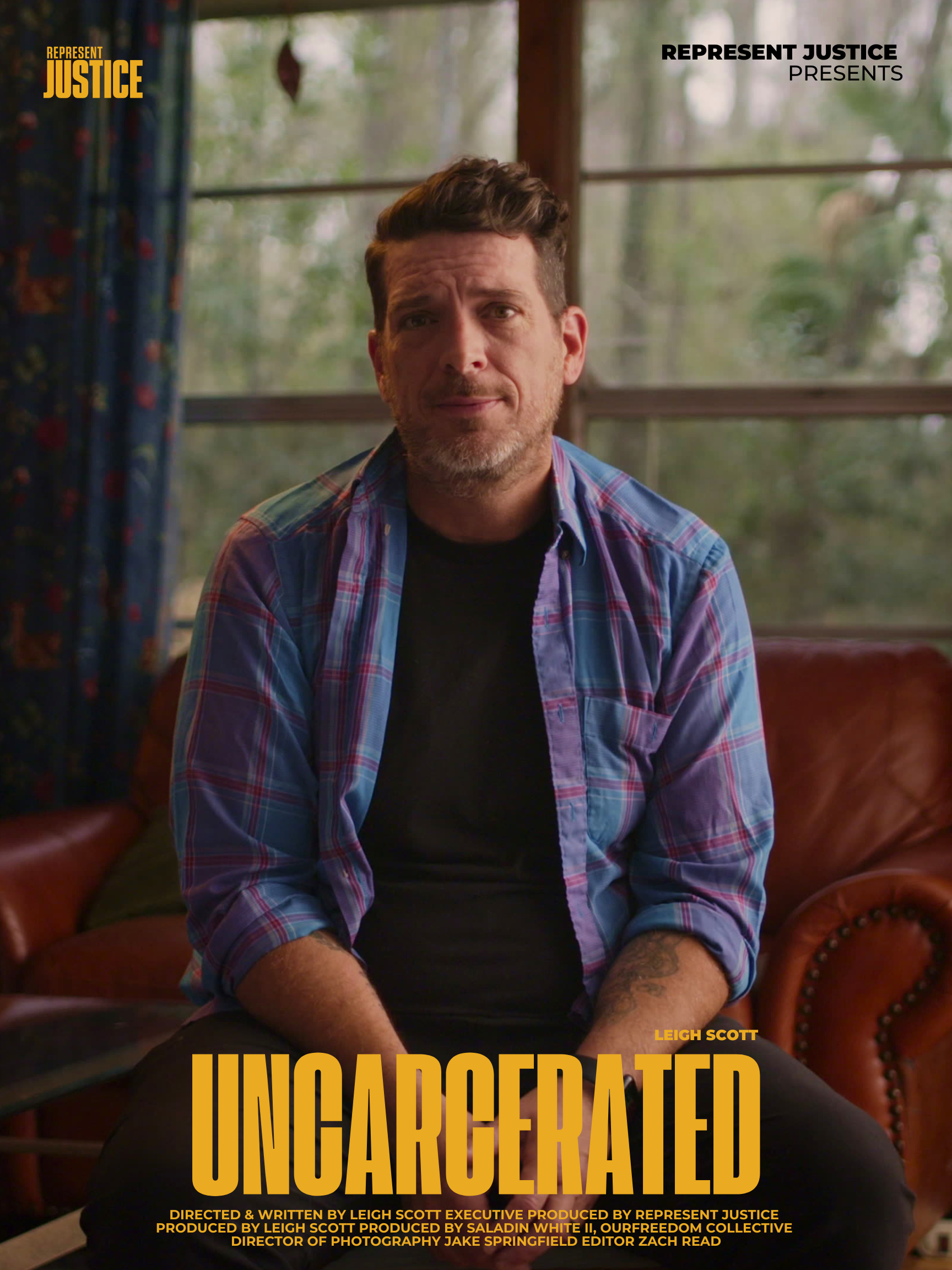
Uncarcerated reminds us that another future is possible — one where care responds first. This film asks a critical question: What would happen if we treated mental health crises as public health issues instead of criminal justice issues?
About the Issue

Every day, people experiencing mental health crises, substance use emergencies, homelessness, and profound grief encounter systems built to control them rather than care for them. The consequences are real.
People experiencing mental health challenges are 16 times more likely to be killed during a police encounter than other civilians. PBS News.
Nearly 60% of people in U.S. jails and prisons have a substance use disorder, and approximately 44% have a history of mental illness. The National Institute on Drug Abuse; The Prison Policy Initiative.
In 44 states, the largest mental health facility is not a hospital—it's a jail or prison. Deconstructing Stigma.
Even when mental health needs are identified, an estimated 63% of incarcerated people with mental health challenges receive no treatment while behind bars. The National Alliance on Mental Illness (NAMI).
Yet, across the country, communities are proving there is another way.
Uncarcerated invites audiences to imagine a future where healing comes first.
Take Action
People in crisis deserve care—not cages.
-

Contact your elected officials or hire Leigh
Urge elected officials to invest in community-based crisis response teams, mobile mental health services, peer support programs, housing, treatment, and alternatives to incarceration. Also, send Leigh a message if interested in hiring him.
-

Support Community Spring
Community Spring invests in system-impacted leaders who are building pathways toward healing, accountability, and transformation.
-

Follow & Support Leigh's Work
Learn more about Leigh’s work, mental health access, crisis response reform, housing, treatment, reentry support, peer-led intervention programs, alternatives to incarceration, and other useful resources.
Host A Screening
Bring Uncarcerated to your campus, organization, coalition, faith community, conference, or community event to spark conversations about mental health, public safety, and community care.
Screenings help communities challenge stigma, rethink how we respond to crisis, and build support for solutions that prioritize healing over punishment. Because a badge is not a substitute for a bed. A holster is not a substitute for a heart. And a jail cell is not a substitute for treatment.
Interested in hosting a screening, panel, or community conversation featuring Leigh Scott and local advocates?