
Youth Justice Action Month: Films That Call Us Toward Care, Not Punishment
Young people are still becoming. They are learning themselves, testing boundaries, carrying wounds they may not yet have language for, and looking to the adults and communities around them for direction.
When young people cause harm, our response should help guide them toward something better. Too often, punishment closes the door before growth has had the chance to enter.
This Youth Justice Action Month, we are lifting up 10 films from Represent Justice Ambassadors and our Community Storytelling partners that ask us to look more closely at what young people carry and what becomes possible when care, mentorship, healing, creativity and community are part of the response.
1. Advocacy is Life or Death — Angelique Todd
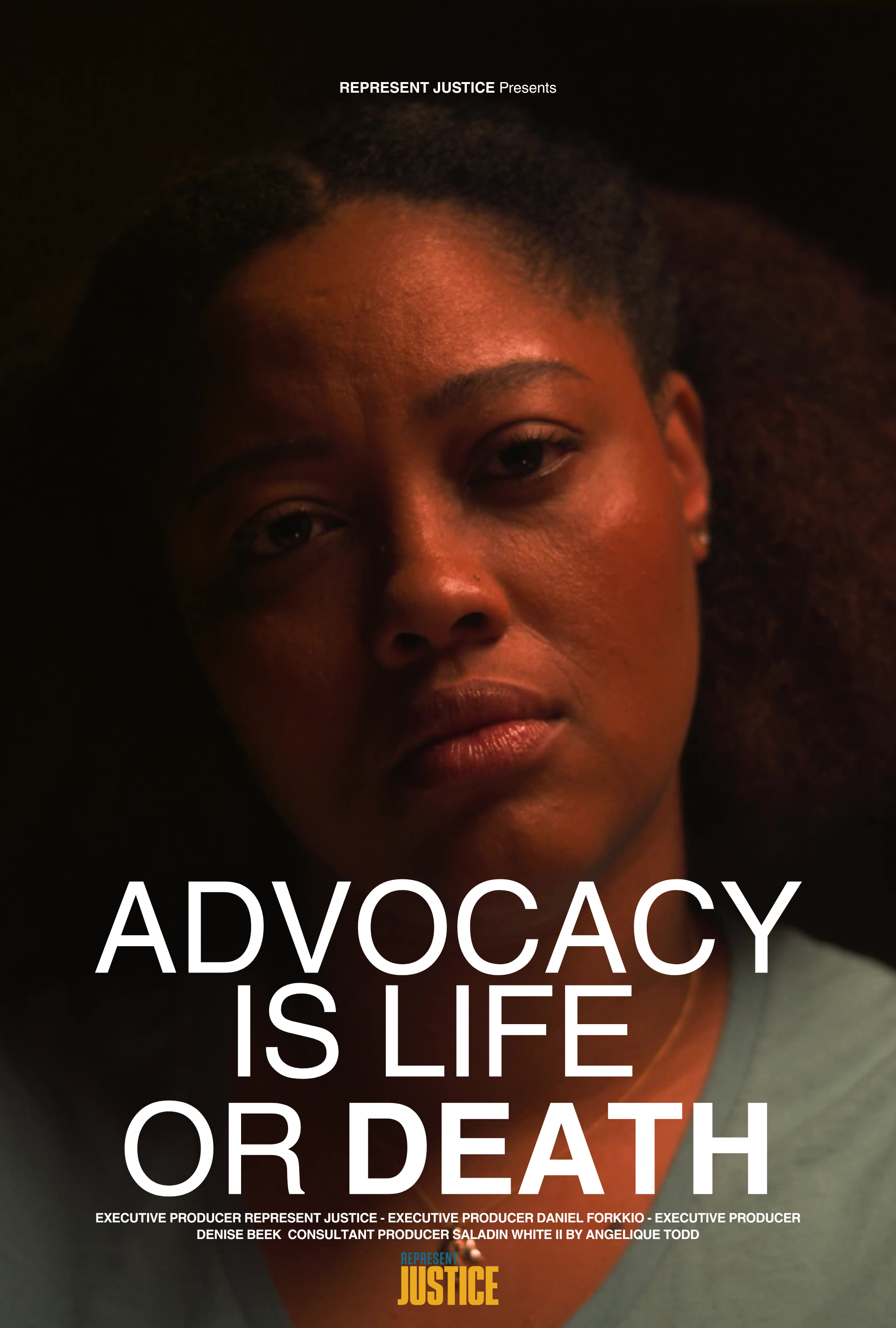
An advocate loses her job after challenging injustice, exposing the cracks in systems meant to help people experiencing crisis.
Angelique Todd’s work with at-risk young people and women asks us to consider what happens when the very systems people are told to turn to cannot meet them with the care they need.
Sometimes, advocacy becomes the person standing in that gap.
2. Diverted — Los Angeles Community Storytelling Partners
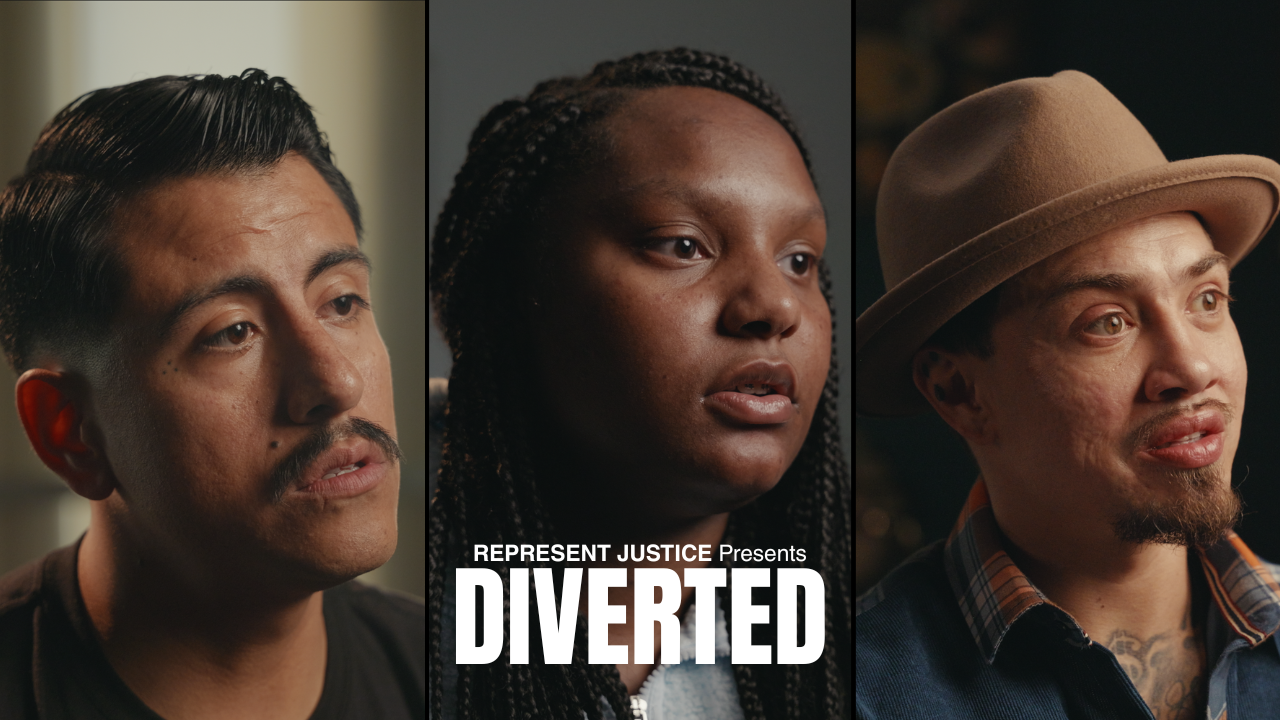
Diverted follows Daniel, Mora, and Edin - three young adults directly and indirectly impacted by California’s carceral system and whose paths diverged based on the opportunities they were given and the ones they were denied.
Through personal narrative, data, and interviews with those advancing youth justice in California, the film reframes incarceration as a policy choice and elevates alternatives like diversion programs that remove barriers to healing and transformation.
3. The Candle — Jessie Mabrey

When a parent is incarcerated, a child’s world can change overnight.
The Candle centers the trauma and anxiety experienced by children with incarcerated parents: the questions, the distance, the disruption and the weight of an absence they did not choose.
The film asks us to remember the children living in the wake of punishment and to consider what support families need to stay whole.
4. Change Is Possible — Eddie Ellis Jr.

Eddie Ellis Jr. was incarcerated as a child. Today, he mentors young people and advocates for those facing extreme sentences.
Change Is Possible traces the distance between those two points in his life.
His story reminds us that a teenager standing before us today is not the finished version of who they will become. Young people need room to grow into lives they may not yet be able to imagine.
5. It Takes a Village — Nelson Morris

Nelson Morris received a life sentence as a teenager. Today, he pours his experience back into young Black men in Chicago through mentorship.
It Takes a Village is rooted in the power of having someone beside you who can see farther down the road.
Guidance can interrupt a path. A relationship can open a door. Sometimes a young person needs someone who believes in a future they cannot yet see for themselves.
6. Little April — April Grayson

Before April Grayson became an advocate, she was a child navigating trauma, foster care, and eventually the justice system.
Little April brings us back to those early years.
Her story asks us to look at the road leading up to a young person’s involvement with the legal system: the hurt, instability, institutions, and moments when care could have reached them sooner.
What changes when we meet a struggling young person with support before punishment becomes the loudest response?
7. A Million Dollar Cage — Kent Mendoza

What do our investments reveal about what we believe young people deserve?
In Los Angeles County, Kent Mendoza has worked to transform the youth justice system and expand alternatives to incarceration.
A Million Dollar Cage turns our attention toward where resources flow and asks what could grow if those same resources were poured into young people, families, and communities before a cage ever entered the picture.
8. Rewritten — Angie Frias
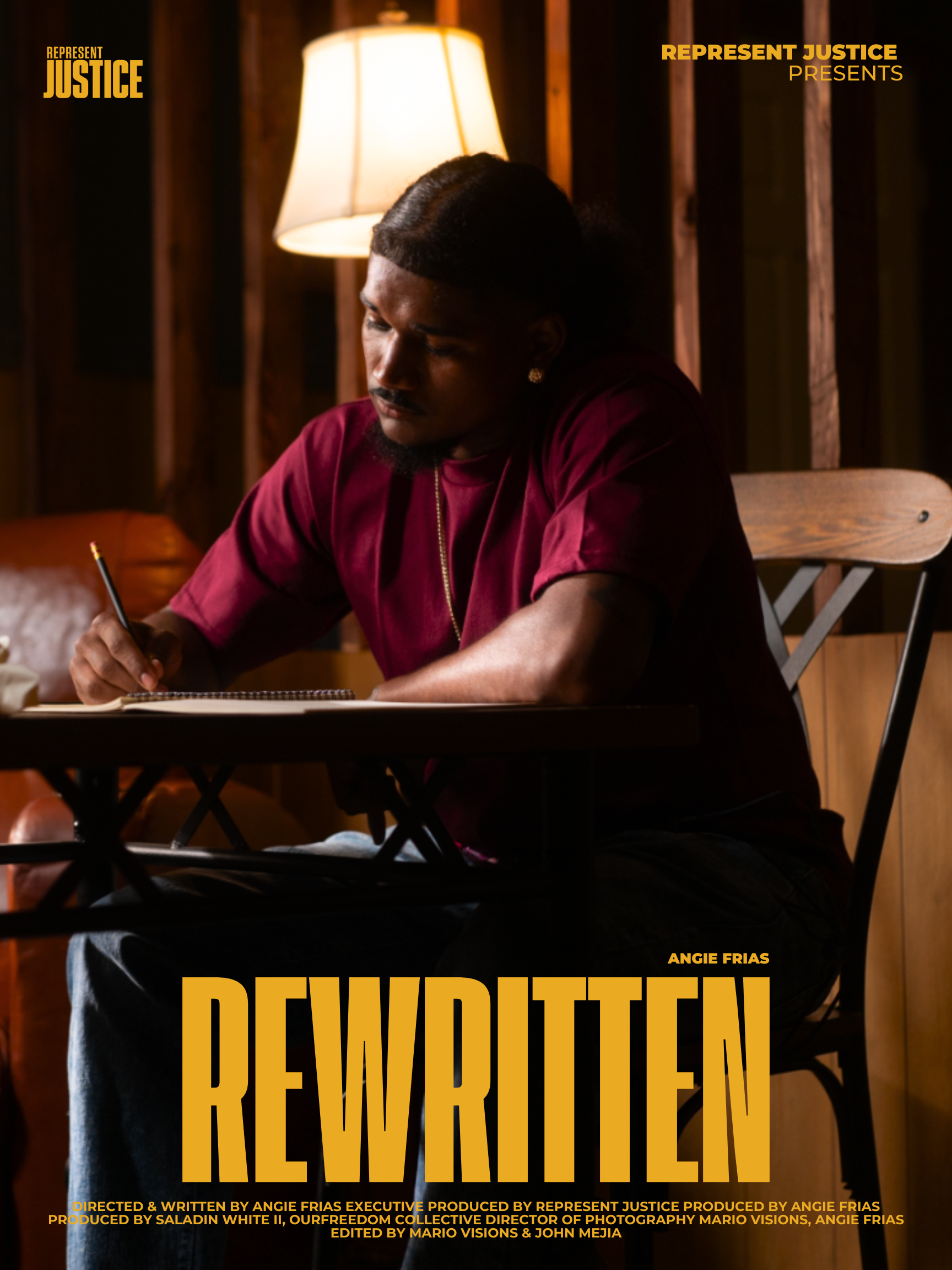
Through poetry, music and intimate storytelling, Rewritten follows a justice-impacted young person and mentor using art as a path toward healing, empowerment, and freedom.
For filmmaker Angie Frias, that relationship reflects her own work using creativity, storytelling, and mentorship to support young people.
There is something powerful in the film’s title itself. Young people deserve the chance to rewrite. To see themselves beyond what has happened to them, beyond what they have done, and beyond what others have decided their story will be.
9. Loud Silence — Todd Jones
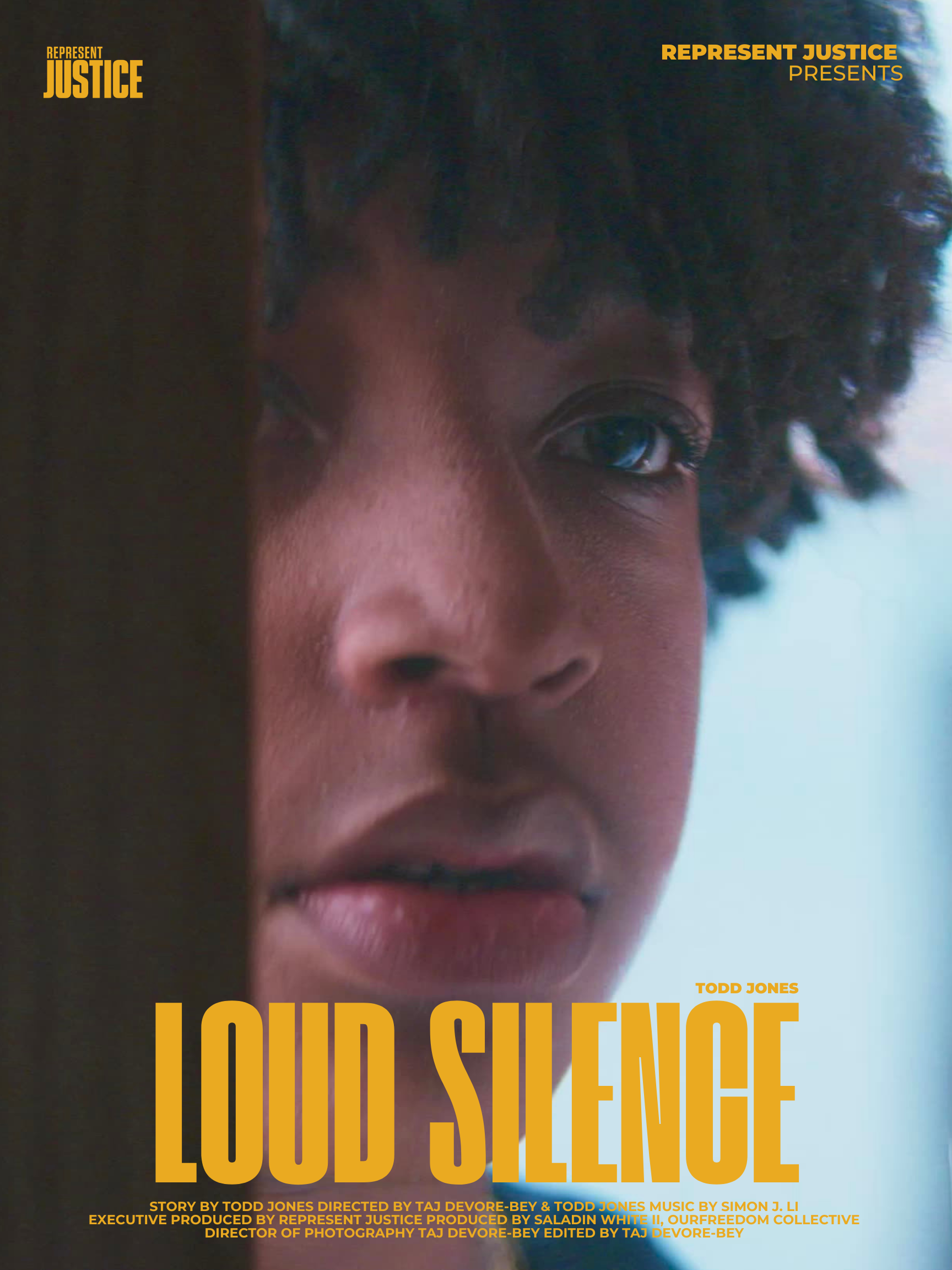
Todd Jones was incarcerated at 15 and spent 25 years in prison before his release.
His film, Loud Silence, explores childhood trauma, violence, incarceration, and the long road toward healing.
Todd’s story asks us to listen for what may sit underneath a young person’s actions: pain, fear, survival, and experiences they have never had the space to name.
Care asks us to listen before we decide who a young person is.
10. The Weaver in a Haystack — Kenneth Webb
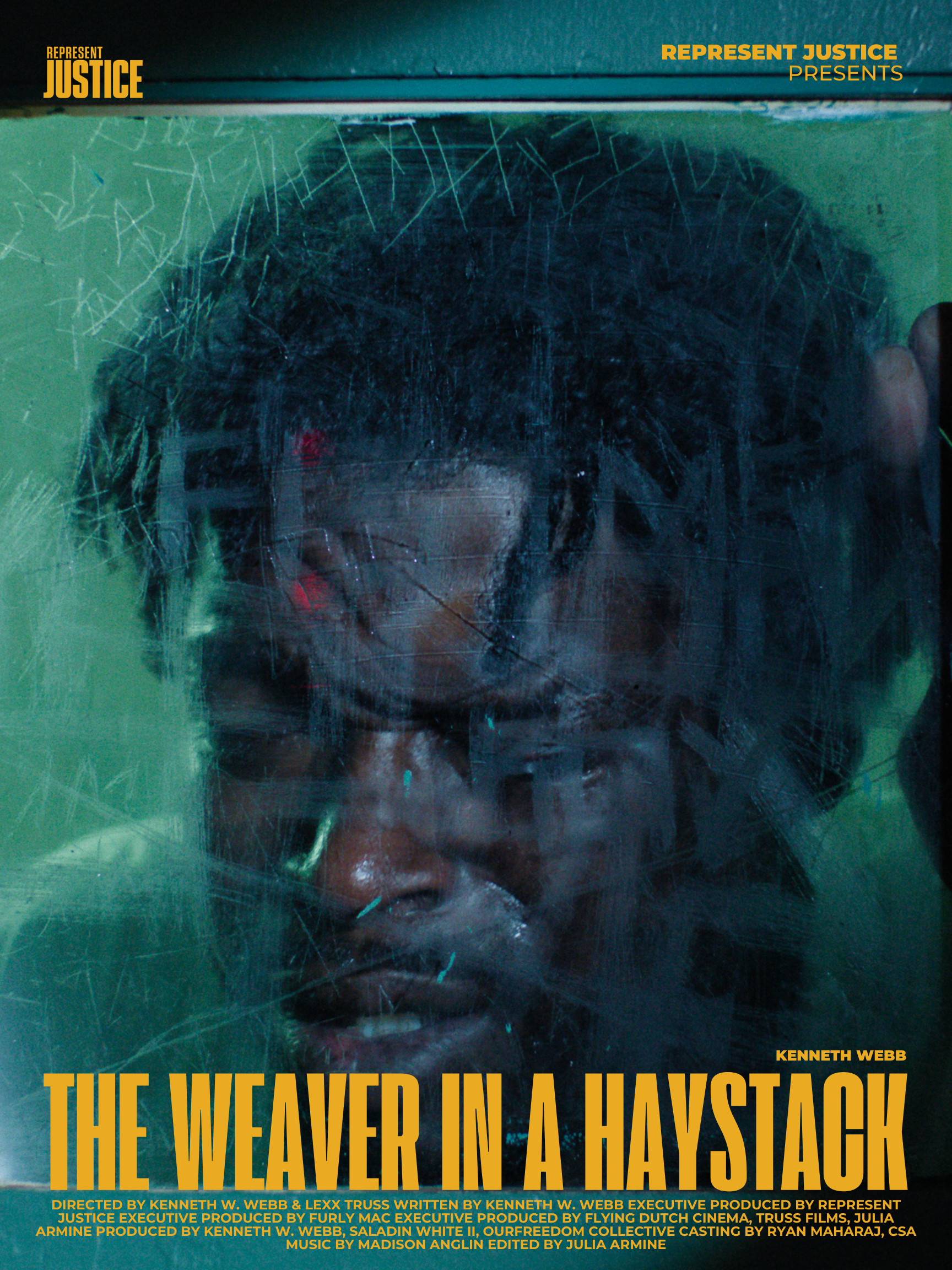
In The Weaver in a Haystack, Kenneth Webb tells the story of a recently released artist confronting trauma, violence, and memory while standing at a crossroads between destruction and creation.
The film reminds us that creativity can become a place to put what hurts.
Art, mentorship, and community can give people tools to make meaning from what they have survived and help young people imagine possibilities beyond the circumstances surrounding them.
Give Young People Something to Grow Toward
A young person can be accountable for harm and still be worthy of guidance. They can make a mistake and still deserve someone willing to help them find another way.
That is the thread running through these stories.
Youth justice requires us to look beyond a single moment and see the whole road: where a young person has been, what they have carried, and who is willing to walk beside them toward what comes next.
This October, and every month, we are choosing to imagine systems that give young people something to grow toward.
